Français
  Nederlands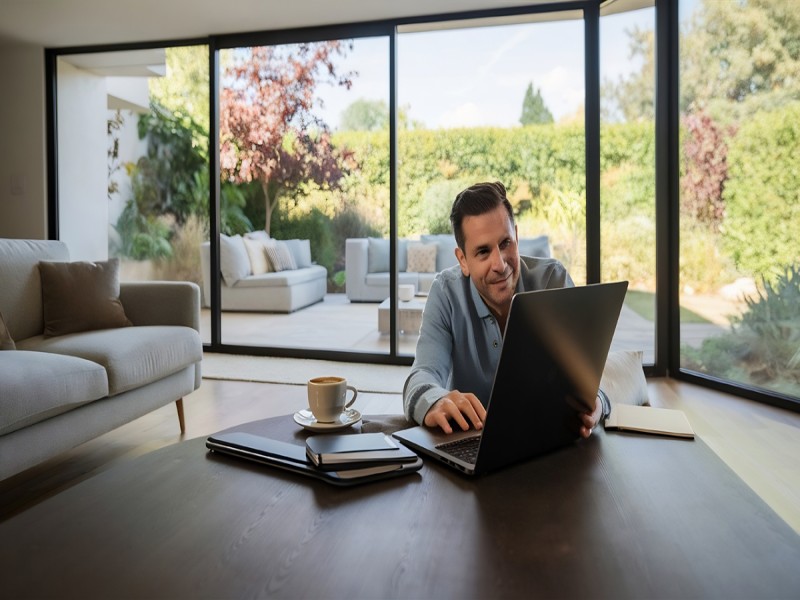
The Shift in Residential Preferences
The global transition toward remote work has fundamentally altered the landscape of the real estate market, prompting a significant shift in residential preferences among the workforce. As the necessity for daily commuting diminishes, many professionals are no longer tethered to expensive city centers, leading to a surge in demand for properties in suburban and rural areas. This exodus from high-density urban hubs is primarily driven by the pursuit of larger living spaces, dedicated home offices, and access to outdoor environments that foster a better work-life balance.
Housing demand has consequently decoupled from traditional proximity to central business districts, forcing developers and urban planners to rethink their long-term strategies. This transformation is not merely a temporary reaction to global events but a permanent structural change in how employees perceive their professional and personal environments. Real estate experts observe that the premium previously placed on being within a short train ride of the office is being reallocated toward properties that offer flexibility, connectivity, and local amenities, effectively expanding the geographic boundaries of viable housing markets.
Economic Implications for Urban and Suburban Markets
The decentralization of the workforce exerts profound economic pressure on both urban and suburban real estate ecosystems. In major metropolitan areas, the cooling of demand for compact apartments has forced landlords and developers to reconsider pricing models and usage patterns, leading to a potential repurposing of commercial office space into residential units.
Conversely, secondary cities and suburban regions are experiencing a rapid appreciation in property values as influxes of remote workers seek to invest in areas with lower tax burdens and higher quality-of-life indices. This urban flight is reshaping local infrastructure and municipal requirements, necessitating increased investment in high-speed digital connectivity and community services to accommodate an increasingly distributed population. Furthermore, this trend significantly impacts affordability, as local residents in suburban zones often find themselves competing with high-earning remote workers, thereby driving up prices and creating new socioeconomic challenges.
Investors are monitoring these migration patterns closely, identifying emerging nodes of growth that capitalize on the permanent integration of flexible work models. The resilience of these markets will largely depend on their ability to balance sustainable growth with the preservation of local character and infrastructure efficiency.
The Long-term Future of Housing Dynamics
Looking ahead, the long-term impact of remote work on housing demand will likely be defined by a movement toward a hybrid equilibrium. While the initial surge of relocation has stabilized, the preference for versatile living spaces remains a top priority for families and young professionals alike. Architects are now prioritizing multi-functional designs that can accommodate productivity within the home, shifting the focus from purely aesthetic considerations to functional longevity. This shift underscores a broader societal transition where the home serves as the central hub of existence, encompassing professional obligations, recreational activities, and personal growth.
Ultimately, the real estate market is entering a phase of increased diversification where the value of a property is increasingly linked to its digital infrastructure and environmental sustainability. Stakeholders must remain agile, adapting to the evolving demands of a workforce that values geographical flexibility above traditional conventions. As we continue to navigate this structural shift, the collaboration between policymakers, developers, and residents will be paramount in fostering healthy, equitable, and adaptable housing environments that meet the diverse needs of a modern, digitized society.