Français
  Nederlands
The Foundation of Modern Connectivity
In our contemporary era, the speed of your internet connection serves as the invisible backbone of almost every personal and professional interaction. High-speed access is no longer a luxury but a fundamental utility, functioning much like electricity or water. When bandwidth is insufficient, users experience a tangible decline in productivity, characterized by long loading times, interrupted video calls, and the inability to access cloud-based resources efficiently. Conversely, a robust connection ensures that data transfers are instantaneous, allowing for a seamless flow of information that keeps businesses operating smoothly and individuals connected with their communities.
The ripple effect of rapid connectivity is most visible in the professional landscape, where remote work has become the standard. Without adequate speeds, the digital workplace collapses into a series of disconnected fragments, hindering collaboration and stalling time-sensitive projects. A stable, high-performance link allows for the synchronization of massive data sets, real-time communication, and the use of sophisticated software tools that define modern output. Consequently, the quality of one's internet connection directly correlates with the ability to participate in the global economy effectively and competitively.
Entertainment and Lifestyle Implications
Beyond the workspace, internet speed dictates the quality of our leisure time and home entertainment experiences. The rise of high-definition streaming services and immersive online gaming platforms demands significant data throughput to maintain fidelity. When internet speeds fail to meet these requirements, the user experience suffers from buffering, pixelated displays, and latency issues that can ruin the enjoyment of interactive media. Therefore, achieving a reliable bandwidth is essential for accessing entertainment that meets current industry standards of quality and responsiveness, ensuring that digital leisure remains uninterrupted.
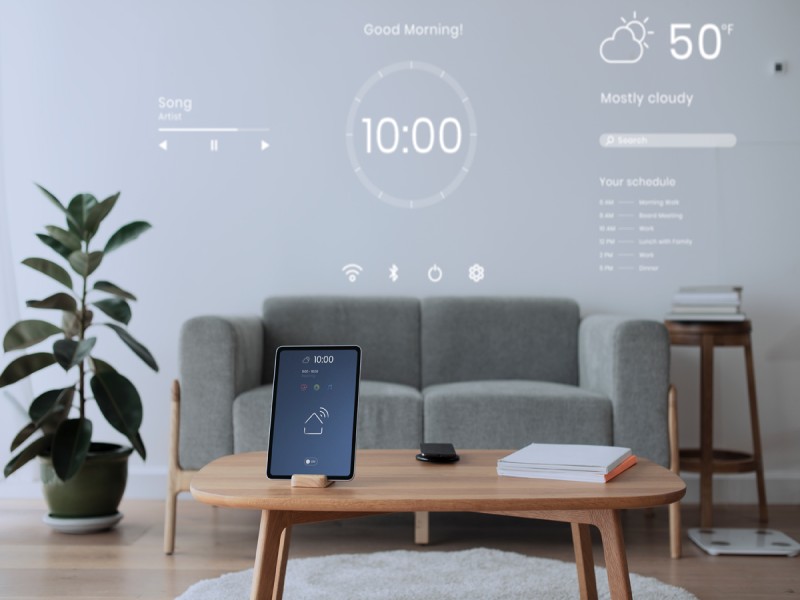
Furthermore, as we move deeper into the age of the Internet of Things, the number of devices requiring a constant data feed continues to grow. Smart home devices, security systems, and health monitoring wearables all rely on persistent, high-speed access to function correctly. This growing infrastructure of connected devices means that a slow or unreliable connection can lead to home security vulnerabilities or the failure of essential automated systems. Ultimately, investing in better internet speed is an investment in the stability of one's household and the performance of the sophisticated technology we now depend on to manage our daily affairs with precision.
Future-Proofing Your Digital Experience
As digital demands continue to evolve, the necessity for higher speeds will only become more pronounced. Future technologies such as augmented reality, high-fidelity cloud computing, and advanced tele-health services will require even greater capacity than what we currently deem acceptable. Relying on outdated networking standards risks leaving users unable to leverage new advancements, creating a widening gap between those who are digitally optimized and those who are falling behind. Prioritizing optimization in network settings and hardware selection is crucial for maintaining relevance in an increasingly digital world.
Finally, the psychological impact of internet speed cannot be ignored; consistent, high-speed access contributes to reduced stress levels during daily tasks. The frustration of waiting for pages to load or files to download often leads to decreased focus and irritability. By ensuring reliability in your digital environment, you foster a more efficient and tranquil experience, allowing you to focus on the tasks at hand rather than the technology that powers them. As we navigate the complexities of modern life, the importance of a fast and stable internet connection remains an indisputable prerequisite for sustained success and digital well-being.