Français
  Nederlands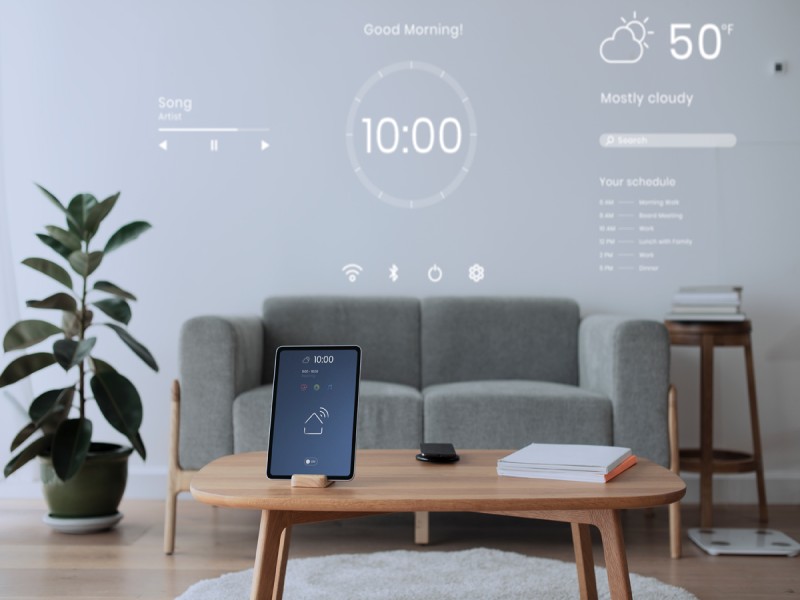
The Evolution of Residential Living
The modern real estate landscape is undergoing a profound transformation driven by the rapid integration of advanced technology into our daily environments. Smart home ecosystems, once considered a luxury reserved for the tech-savvy elite, have now become a fundamental expectation for contemporary homebuyers. This paradigm shift is largely fueled by the desire for enhanced convenience, energy efficiency, and security within the domestic sphere.
As connectivity becomes ubiquitous, developers and homeowners are increasingly investing in automation systems that seamlessly manage lighting, climate, and security protocols. This evolution reflects a broader societal movement toward a more responsive living space, where the architecture itself adapts to the needs of its inhabitants. The rise of the smart home is not merely a trend but a structural change in how properties are valued and marketed in the competitive global real estate market today.
Value and Efficiency in Smart Property Investments
Integrating sophisticated technological infrastructure into property design offers significant benefits that extend beyond simple comfort. Homebuyers are prioritizing features that contribute to sustainability, as smart thermostats and energy-efficient appliances drastically reduce long-term utility costs. By utilizing connectivity, residents can monitor their consumption patterns in real time, making informed decisions that promote environmental stewardship while simultaneously lowering monthly expenditures.
Furthermore, the incorporation of advanced security features, including biometric locks and AI-driven surveillance, provides residents with unprecedented peace of mind. These assets serve as key value propositions for developers, often resulting in faster sales cycles and higher appraisal values for properties that boast comprehensive smart systems. As we look toward the future, the ability of a residence to learn and anticipate the habits of its occupants will likely become the definitive standard for premium residential real estate across the globe.
The Future Landscape of Domestic Intelligence
As the internet of things continues to permeate every corner of the built environment, the interplay between sustainability and domestic intelligence will become even more pronounced. Future residential developments are expected to feature integrated solar management, predictive maintenance sensors, and centralized digital hubs that unify disparate appliances into a singular, cohesive user experience. This level of sophistication necessitates a shift in how real estate professionals present properties, requiring them to possess a deeper understanding of the underlying infrastructure that powers these digital homes.
The goal is to provide a seamless transition for the homeowner, ensuring that complexity remains hidden behind an intuitive and user-friendly interface. Ultimately, the rise of the smart home represents a convergence of human-centric design and technical precision, marking a new chapter in the history of architecture where homes function as intelligent partners to those who live within their walls.